

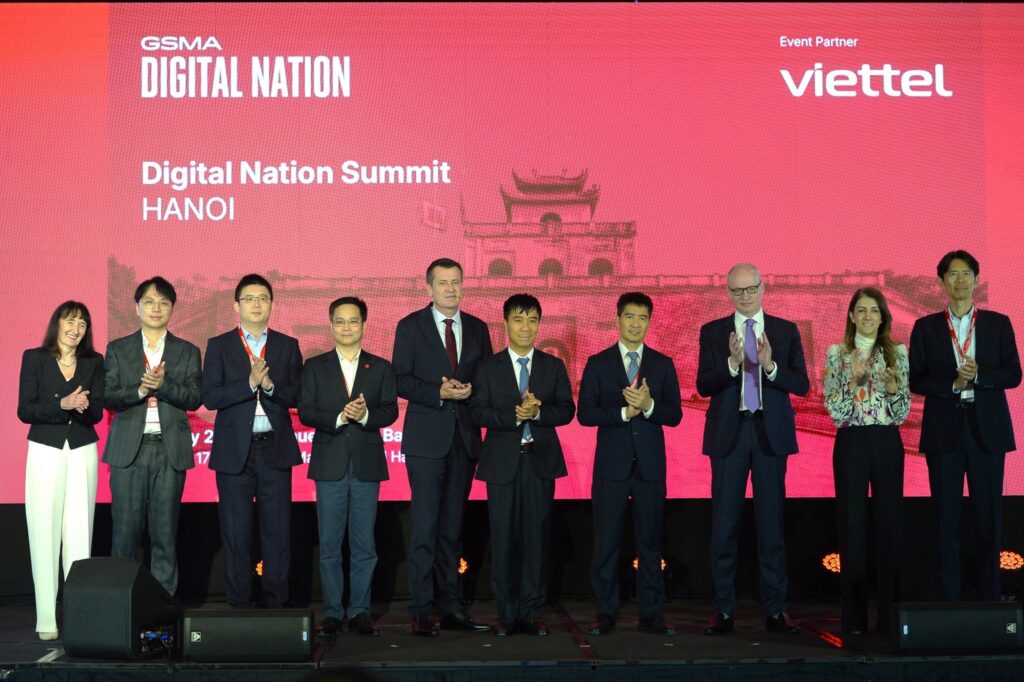
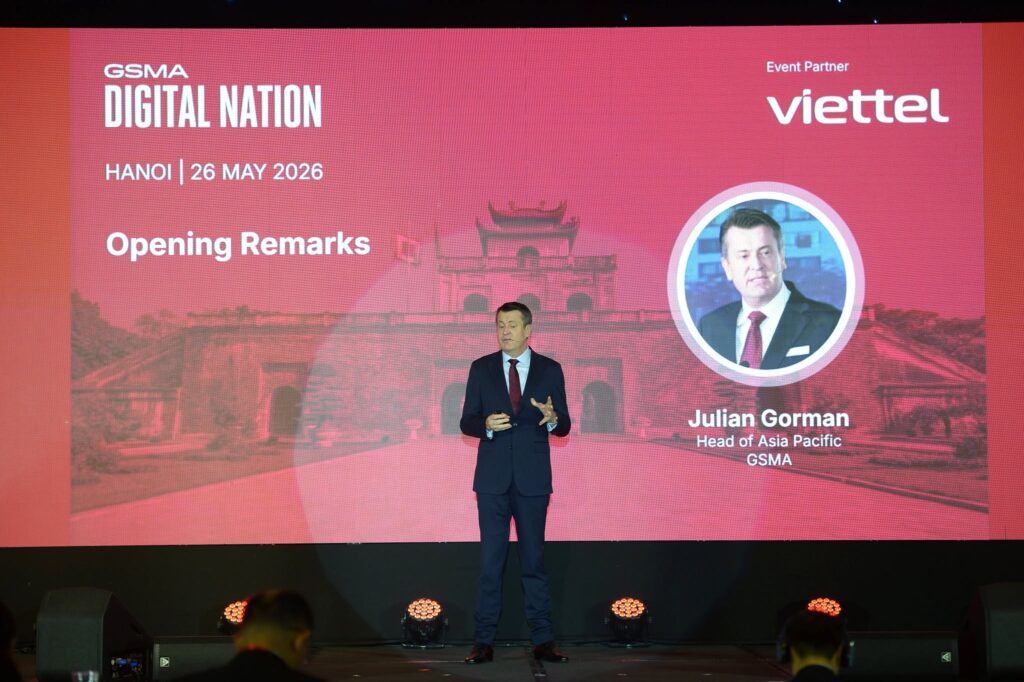
Viettel Group and the GSMA co-organized Digital Summit Hanoi 2026 on May 26, bringing together policymakers, technology leaders, investors, and digital ecosystem stakeholders to discuss the next stage of Vietnam’s digital economy. Under the theme “From Connectivity to High Value Growth,” the summit focused on how 5G, AI, digital infrastructure, cybersecurity, and new cooperation models can support higher-value economic growth.
The event marked the second time Viettel Group has accompanied Digital Summit Hanoi, reinforcing its role in technology dialogue and digital transformation in Vietnam. As the global mobile industry association representing more than 1,000 mobile operators, technology companies, and ecosystem stakeholders, the GSMA provides an international platform for discussing shared standards, policy direction, and industry collaboration.
DIGITAL INFRASTRUCTURE AS A FOUNDATION FOR ECONOMIC GROWTH
As global supply chains are reshaped by geopolitical shifts, emerging technologies, and new investment flows, Vietnam is increasingly viewed as an important digital economy in the Asia-Pacific region. At Digital Summit Hanoi 2026, participants discussed how next-generation connectivity and digital infrastructure can help Vietnam move higher in the global value chain.
The summit created a platform for policy, technology, and business dialogue on how Vietnam can build new digital products and services based on 5G, AI, cybersecurity, digital infrastructure, and cross-sector collaboration. These discussions reflected a broader shift in the telecommunications industry, where connectivity is no longer only about network access, but also about enabling intelligent services, trusted digital platforms, and new business models.
AI-NATIVE NETWORKS AND NEXT-GENERATION TELECOMMUNICATIONS
Viettel Group participated in discussions on next-generation telecommunications infrastructure, AI-native networks, digital trust, and 5G-enabled digital services. A key focus was the integration of artificial intelligence into radio access networks, core networks, and edge data centers.
AI is transforming telecommunications networks from reactive systems into automated, self-optimizing platforms. This approach shows how future networks can move beyond data transmission to become intelligent infrastructure capable of supporting real-time processing, operational efficiency, and large-scale AI service deployment.
For telecom operators and ICT infrastructure providers, AI-native networks represent an important direction in network modernization. They can support more adaptive operations, improve service delivery, and create the technical foundation required for advanced digital services across industries.
CYBERSECURITY AND DIGITAL TRUST IN THE DIGITAL ECONOMY
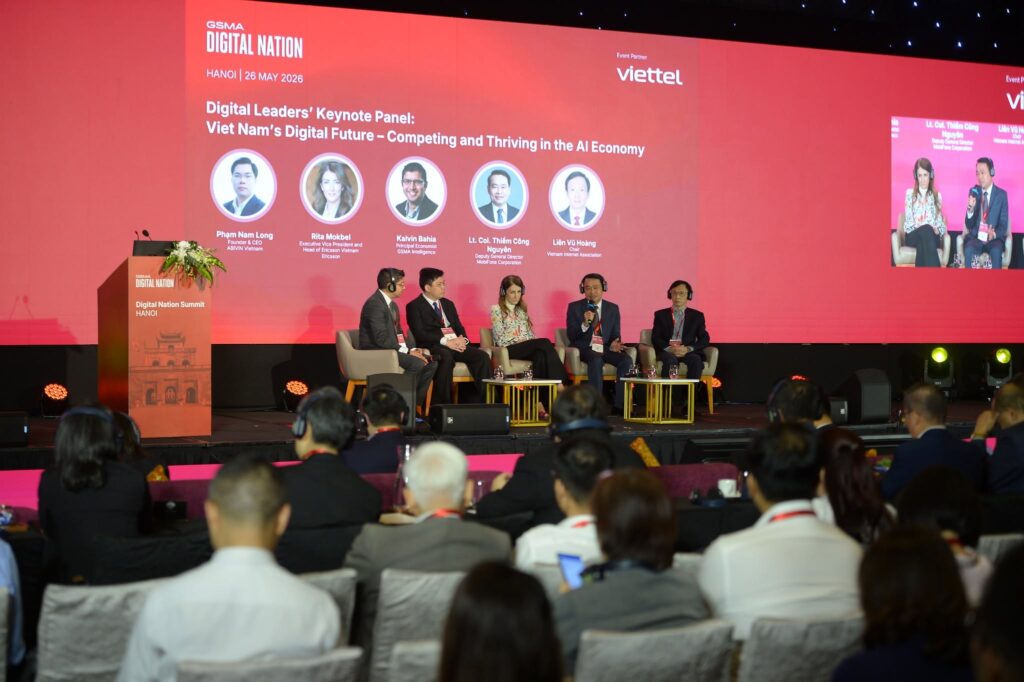
Cybersecurity was also a central theme at the summit. Viettel Group shared perspectives on preventing online fraud and spam messages, addressing practical challenges that become more urgent as digital services expand across the economy.
As more government services, enterprise operations, financial transactions, and consumer activities move online, digital trust becomes a critical requirement. Protecting users, securing data, and maintaining confidence in large-scale digital platforms are essential to sustainable digital transformation.
This focus aligns with the growing need for cybersecurity capabilities that can support national digital infrastructure, enterprise security, and public trust. For economies pursuing digital growth, cybersecurity is not only a technical requirement but also a foundation for long-term adoption of digital services.
OPEN API AND NEW DIGITAL SERVICE MODELS
Another important discussion focused on Open API, which allows digital service developers to access selected telecommunications capabilities to enhance and personalize their products and services. Through Open API, network capabilities can become a platform for enterprises, banks, e-commerce companies, healthcare providers, logistics operators, and public services to build safer, more flexible, and more efficient digital solutions.
This model highlights a new growth direction for the telecommunications sector. Instead of serving only as connectivity providers, telecom operators can become technology enablers for broader digital ecosystems. Open API can help unlock new use cases, support industry-specific innovation, and create opportunities for collaboration between network operators and digital service providers.
ADVANCING 5G APPLICATIONS ACROSS INDUSTRIES
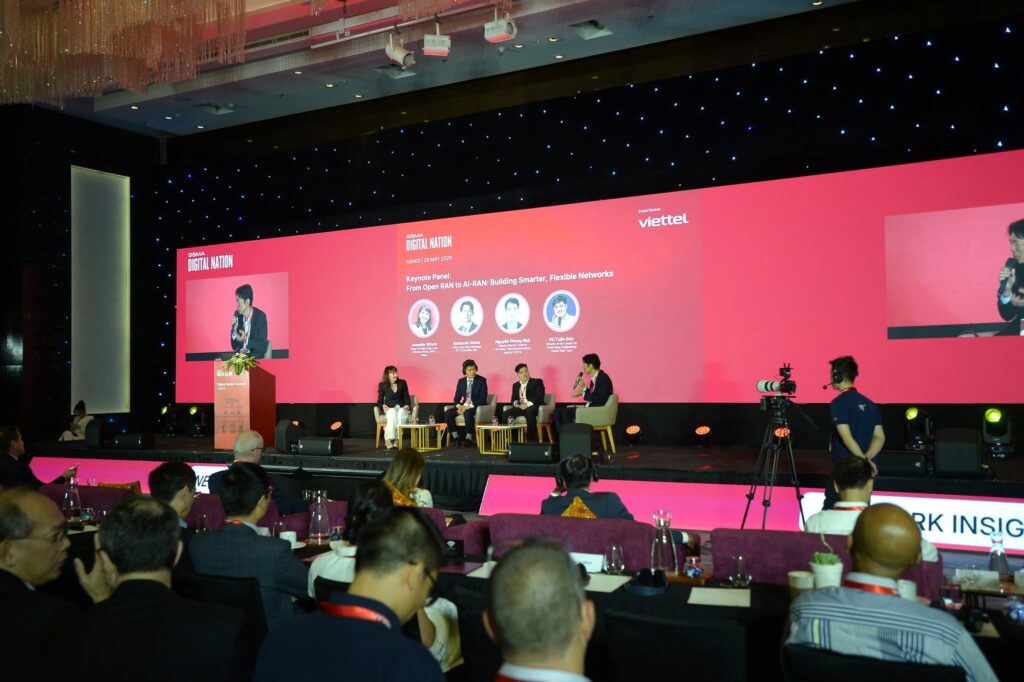
Digital Summit Hanoi 2026 also discussed 5G applications in healthcare, the low-altitude economy, maritime connectivity, smart industry, and public services. These use cases show that the value of 5G is not limited to speed. Its broader value lies in enabling new products, operating models, and growth opportunities across the economy.
As Vietnam places science, technology, innovation, and digital transformation at the center of its growth agenda, Viettel Group continues to contribute to intelligent network infrastructure, information security, AI, and digital services for government agencies, enterprises, and communities.
Through platforms such as Digital Summit Hanoi 2026, Viettel Group supports continued dialogue among regulators, enterprises, technology experts, and international partners on innovation policy, digital infrastructure standardization, data security, public-private collaboration, technology talent development, and the practical commercialization of AI and 5G applications.
